September 9, 2026
Electrical systems are the quiet backbone of modern households, powering everything from our heating units to our kitchen appliances and entertainment systems. Because electricity is so deeply integrated into daily life, it can be easy to take its safe operation for granted. However, minor electrical irregularities can escalate into severe hazards quicker than most property owners realize. Understanding which electrical problems demand immediate attention is key to keeping a building and its occupants secure. According to the Electrical Safety Foundation International, electrical issues trigger approximately 51,000 home structure fires every year. Recognizing the critical signs early allows homeowners to intervene before a routine maintenance issue transforms into a catastrophic emergency. Here is a close look at five common electrical problems that can rapidly deteriorate and why prompt intervention is essential.
1. Frequent Circuit Breaker Tripping
A circuit breaker is designed to act as a safety buffer, automatically shutting down power when an electrical line carries more current than it can safely manage. When a breaker trips occasionally, it usually indicates that too many high-draw appliances were running on a single branch circuit simultaneously. However, when a breaker repeatedly shuts off despite normal usage, the situation becomes far more dangerous. Constant tripping implies that the circuit is undergoing persistent overload, or that an internal short circuit is continuously faulting. Ignoring a breaker that repeatedly flips will cause excessive heat to accumulate within the wiring walls, degrading the wire insulation over time. This ongoing heat buildup significantly increases the risk of a thermal event inside the wall structure. If resetting the breaker leads to immediate shutoffs or a burning smell near the panel, you should cease using the circuit completely. Scheduling a professional electrical service evaluation is the safest step to determine if the issue stems from degraded wiring, a faulty breaker, or an unmanageable demand on your electrical panel. Addressing circuit overload early prevents small trips from becoming full-scale structural threats.
2. Flickering or Dimming Lights
Lights that flicker intermittently might seem like a minor annoyance or a charming quirk of an older house, but they often signal deep underlying instability in the home’s electrical network. While a single flickering bulb usually points to a loose bulb or a defective fixture, widespread flickering across multiple rooms indicates a systemic voltage fluctuation. Loose, damaged, or aging wiring connections are primary culprits for fluctuating voltage. When electrical currents navigate across a weak or corroded connection, arcing can occur, generating intense heat within fractions of a second. This unseen arcing process can ignite nearby building materials, insulation, or wooden studs long before any visible signs appear in the room. Furthermore, flickering lights can point to overloading on main feeder lines coming from the utility company. If lights dim dramatically whenever a major appliance like an air conditioner or refrigerator kicks on, the property is likely straining its current capacity. Contacting a reliable electrical service provider helps pinpoint whether the problem resides in loose panel terminal screws or overloaded supply lines. Resolving voltage instability quickly restores steady lighting and eliminates hidden fire hazards hiding behind the drywall.
3. Burning Smells or Scorched Outlets
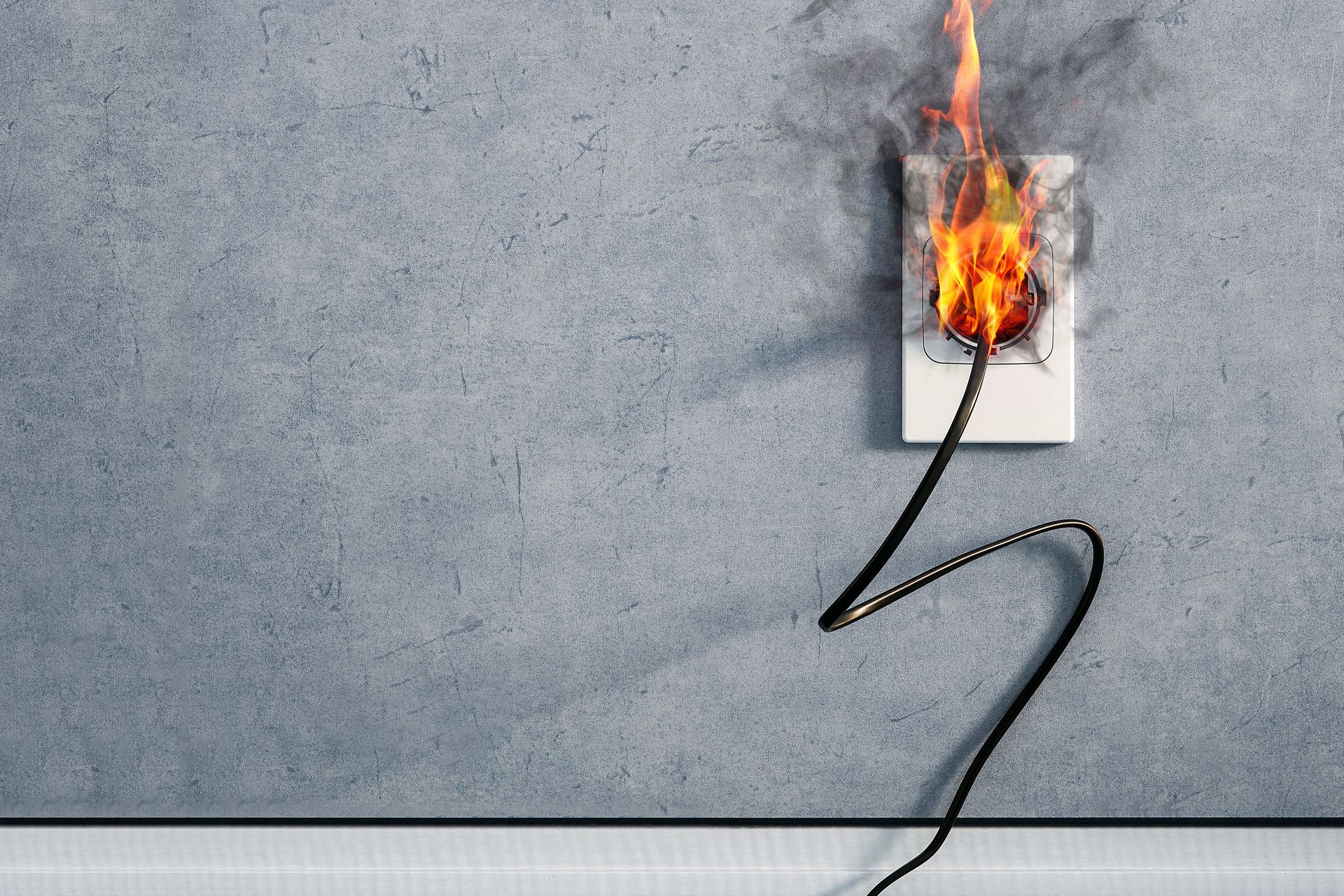
Among all household electrical warning signs, a burning smell or physical discoloration around outlets and switches is one of the most immediate indicators of danger. Electrical fires often produce a distinct metallic, plastic, or fishy odor as wire insulation and plastic outlet boxes melt under extreme temperatures. If an outlet wall plate feels warm to the touch, shows subtle brown discoloration, or exhibits black scorch marks, high-resistance heating is actively occurring. High resistance happens when electrical currents encounter friction, usually due to frayed wiring, loose terminal screws, or improper wiring splices. The heat generated by high resistance can melt protective coverings within minutes, exposing bare wires to exposed surfaces and framing material. Plugging devices into a damaged outlet accelerates the degradation, creating a prime scenario for electrical arcing and open flames. If you detect a burning smell near any electrical fixture, the immediate priority is to cut power to that specific area at the main breaker. Reaching out for urgent electrical service ensures that damaged wiring and melted components are safely replaced before the circuit is energized again. Taking prompt action when thermal damage is visible prevents localized overheating from engulfing entire walls.
4. Buzzing or Humming Sounds from the Panel
A healthy electrical system operates almost entirely in silence. While a very faint hum might be audible if you stand directly next to a large electrical panel under heavy load, loud buzzing, clicking, or humming sounds from wall switches or circuit breaker boxes are clear warning signs. Humming sounds usually indicate that a mechanical component is failing to operate correctly, or that an electrical arc is actively forming. For example, a circuit breaker that is overloaded should trip instantly; however, if the breaker mechanism is defective, it may fail to trip while continuing to carry dangerous levels of current. This failure produces a persistent vibration or buzzing noise as the internal components strain against the excessive load. Similarly, loose wire terminals can produce a continuous buzzing noise as the current jumps across tiny air gaps between contact points. Left unchecked, this electrical arcing generates extreme heat and damages the main bus bar of the breaker panel, potentially requiring a complete panel replacement. Investing in expert electrical service at the first sign of panel noise protects the core distribution system of your home from irreversible damage. Timely panel maintenance ensures that protective mechanisms trigger properly during genuine power surges or overloads.
5. Outlets that Produce Sparks or Shock You
When plugging an appliance into a wall outlet, it should be a simple, routine action. If plugging something in produces a bright flash, a noticeable spark, or a mild tingling sensation upon contact, the outlet requires immediate professional scrutiny. A tiny, brief blue spark can occasionally occur when power bridges the small gap to an appliance plug as it enters, which is generally normal. However, large yellow or white sparks, accompanied by a popping sound, signal a severe short circuit or water intrusion inside the junction box. Shocks or tingling sensations when touching appliances, switch plates, or metal fixtures indicate that electricity is straying from its intended path due to a compromised grounding system. Grounding is the essential safety pathway that directs excess electricity safely into the earth during a fault condition. When grounding fails, the electrical current seeks alternate paths to ground, which can include the human body or flammable structural materials. Operating outlets with poor grounding or short circuits presents a double risk of severe electrocution and rapid fire ignition. Relying on a qualified electrical service technician to test grounding integrity and replace faulty receptacles stops dangerous current leakage in its tracks. Ensuring proper grounding guarantees that safety devices like ground fault circuit interrupters can fulfill their protective functions effectively.
Maintaining a safe home environment requires remaining vigilant about how your electrical infrastructure behaves under daily stress. Electrical components rarely fail without offering early warning signs, whether through unusual noises, elevated temperatures, flickers, or physical discoloration. Ignoring these subtle indicators allows heat, arcing, and circuit degradation to build up rapidly behind walls and inside control panels. Promptly seeking professional electrical service whenever these five critical issues arise keeps your property compliant with safety standards and protects your household from unexpected disasters. By taking fast, decisive action at the first sign of trouble, you can ensure that your home's electrical system remains a reliable and safe utility for years to come. Don't wait for a minor warning sign to turn into an emergency—contact the experienced team at Elite Electrical Services, LLC today to schedule your comprehensive safety inspection.